
Finding the easiest protein for dogs to digest can be tricky, because different proteins can mean loose stools, gas, or itchy skin keep showing up after meals. Chicken isn’t always the answer, and “sensitive” on the bag doesn’t mean much by itself.
What matters is the whole food: protein, fat, fiber, and how it’s made. We’ll help you stop swapping bags blindly and watch what your dog is actually telling you.
-
Why lean doesn’t always mean gentler
-
When lamb or salmon makes more sense
-
What firmer stools can reveal
Choose with less guessing.
Why Digestibility Matters More Than Most Dog Owners Realize
Most people who search for the easiest protein for dogs to digest aren't chasing a food trend. They're dealing with loose stool, gas that clears a room, random vomiting, itchy skin, or that low-grade anxiety that comes from second guessing every bowl.
Digestibility is simple in theory and messy in real life. It's how well your dog can break food down, absorb the nutrients, and actually use them. If that process goes badly, you usually see it fast. Stool gets inconsistent. Appetite gets weird. Energy goes up and down. Sometimes the skin starts talking before the stomach does.
A lot of immune activity lives in the gut. That's why poor digestion rarely stays "just digestive." The dog with the touchy stomach is often the same dog with ear flare-ups, paw licking, or a coat that never quite looks right.
And here's the part owners get burned by: a food can look excellent on the label and still be the wrong fit. Good ingredients don't guarantee good outcomes if the protein, fat level, processing method, or ingredient mix doesn't suit the dog in front of you.
That's the whole point of this article. There isn't one universal winner. But some proteins, and some ways of building a recipe, are definitely more forgiving.
What "Easy to Digest" Actually Means in Dog Food
When we say a food is easy to digest, we mean your dog's body doesn't have to fight with it. Nutrients get absorbed well. Stools are firmer. Gas settles down. Meals stop feeling like a gamble.
That sounds obvious, but digestibility gets confused with allergy friendliness all the time. They're related, not identical.
-
A protein can be digestible and still bother a dog with a sensitivity.
-
A novel protein can reduce exposure to a common trigger, but that doesn't make it automatically gentler.
-
Hydrolyzed proteins are broken into smaller pieces and often show up in food sensitivity dog food when adverse food reactions are suspected.
That last category matters, especially in more stubborn cases. But most owners jump to "it's the protein" too early and miss the bigger picture.
Digestibility depends on several things working together:
-
the structure of the protein
-
total fat level
-
the type and amount of fiber
-
carbohydrate sources
-
how the food is cooked or processed
-
how busy the ingredient list is
-
your dog's age, history, and tolerance
Research keeps reinforcing a point we agree with: multiple protein sources can be similarly digestible. That's why internet rankings get flimsy fast. One dog does beautifully on chicken. Another gets better on lamb. A third one stabilizes on salmon and never looks back.
The best dog food for sensitive stomachs usually works because the whole recipe works, not because the front-of-bag protein sounds impressive.
For help reading protein names and nutrition numbers on the bag, use our guide to understanding pet food labels. If gas is one of your concerns, our dog gas and gut health article explores that pattern in more detail.
Easiest Protein for Dogs to Digest: How Chicken, Lamb, Salmon, and Beef Compare
If you want the balanced answer, here it is: lean proteins like chicken and fish are often the easiest starting point, but the easiest protein for dogs to digest still depends on tolerance, feeding history, and the rest of the recipe.
Chicken
Chicken has earned its reputation for a reason. It's usually lean, widely used in gentle digestive formulas, and often paired with ingredients dogs tend to do well on, like pumpkin, brown rice, sweet potato, and prebiotics.
There is one big catch. Chicken is also one of the most common proteins dogs have been fed over and over for years. So while it may digest easily on paper, it can become the first thing to question when a dog shows signs of a chicken sensitivity.
Lamb
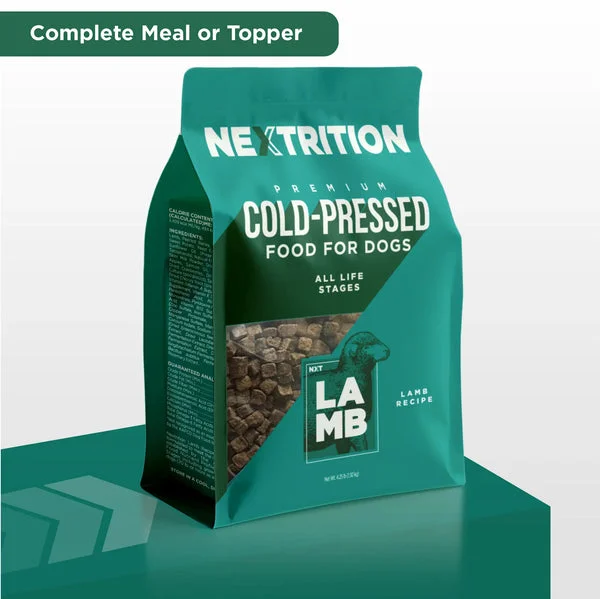
Lamb often comes in when chicken isn't going well. That makes sense. It's a practical alternative protein, especially in a simpler single animal protein formula.
But we wouldn't treat lamb like some automatic gut miracle. It's usually more useful as a clean change of protein than as the universal digestibility champion.
Salmon
Salmon makes a lot of sense when digestive trouble overlaps with skin issues. Fish proteins are often well tolerated, and salmon brings omega 3 fats that can help dogs with dry skin, dull coats, or itching.
Still, richer fats can tip some dogs the wrong way. We've seen dogs do great on salmon and others get looser stool because the formula is simply too rich for them.
Beef
Beef is nutritious and works beautifully for plenty of dogs. It also tends to feel heavier in richer foods, which can be a problem for very sensitive digestion.
So beef isn't "bad for sensitive stomachs." It just asks for more context. On the right dog, in the right formula, it's excellent. On the wrong dog, it's a rough week.
One more useful reality check: research comparing pork and chicken has found similar digestibility of nutrients and amino acids. That's a good reminder that individual response beats internet mythology every time.
Is Lamb Good for Dogs With Allergies or Sensitive Stomachs?
Yes, lamb can be a good option for some dogs with sensitivities. No, it is not automatically hypoallergenic. Those two statements need to sit next to each other.
Lamb gets its gentle reputation partly because it often replaces a more heavily used protein like chicken. That alone can help when you're trying to simplify an elimination-style food decision. A single-protein lamb recipe also cuts down ingredient overlap, which makes life easier when you're trying to spot a pattern.
It's worth separating allergies from sensitivities here. Allergies involve an immune response. Sensitivities or intolerances usually show up more as gas, soft stool, stomach noise, or inconsistent digestion. Owners lump them together all the time, and then food choices get sloppy.
Lamb tends to be most useful in a few situations:
-
your dog has done poorly on chicken or another commonly fed protein
-
you want a cleaner formula with less ingredient clutter
-
you need one clear animal protein so you can actually track results
This is where our All-Natural Lamb Recipe fits naturally. It's a cold-pressed lamb option built around a single lead animal protein and positioned for easier digestion and sensitive stomach support. For some dogs, that simplicity matters more than the specific protein itself.
If you're shopping lamb, stay disciplined:
-
keep the ingredient list straightforward
-
avoid formulas with multiple overlapping animal proteins
-
look for supportive fibers, not filler-heavy formulas
-
transition slowly and watch symptoms instead of guessing
A lamb food doesn't need to look exotic. It needs to calm things down.
Why a Salmon Recipe for Dogs Often Makes Sense for Gut and Skin Issues
Salmon gets overmarketed, but there's a real reason owners keep circling back to it. When a dog has digestive sensitivity and visible skin or coat problems at the same time, salmon is one of the more logical places to start.
Fish protein is often well accepted. On top of that, salmon brings omega 3 fats that can support skin comfort and coat quality. If your dog has itchy patches, dry skin, or a coat that looks tired, that combination is hard to ignore.
There are tradeoffs, though. Some salmon formulas run rich. That's fine for some dogs and too much for others. A dog with a very touchy stomach may still do better on a lower-fat protein even if salmon itself is tolerated.
That's why the supporting structure matters so much. Sensitive stomach formulas usually do better when the salmon sits inside a simple recipe with gentle fibers and not much extra noise.
Our All-Natural Salmon Recipe is built for that use case. It's a fish-based cold-pressed formula for owners who want easier digestion while also keeping coat health in view. That's a practical lane for salmon. Not trendy. Just useful.
A salmon recipe for dogs often makes the most sense for:
-
dogs with stomach trouble plus itchy skin
-
dogs that need a chicken-free rotation
-
owners who want a real-meat dry food option instead of heavily processed kibble
When You Need Food Sensitivity Dog Food Instead of Guessing at Proteins
Some dogs aren't just "picky." They are telling you, pretty clearly, that something isn't working.
Watch for patterns like these:
-
chronic loose stool
-
excessive gas
-
recurring vomiting
-
frequent paw licking or itching
-
ear issues
-
appetite that comes and goes
-
symptoms that improve, then return after food changes
At that point, random protein swapping usually makes things worse. Too many variables, no symptom tracking, and no real answer by the end of it.
Food sensitivity dog food is meant to clean up that mess. The useful versions tend to share a few traits: simpler formulas, fewer competing animal proteins, ingredients chosen for digestibility, and sometimes hydrolyzed proteins in more specialized cases.
Hydrolyzed protein diets are worth knowing about. Some have shown helpful shifts in gut-related markers, including fecal metabolites and microbial patterns. But even there, not every hydrolyzed formula behaves the same way. Source matters. Formulation matters. The bag isn't magic.
You should involve your veterinarian if you see:
-
blood in the stool
-
repeated vomiting
-
rapid weight loss
-
severe reactions
-
symptoms that keep going despite careful diet changes
A sensitive dog doesn't always need an extreme prescription-style plan. But they do need an intentional one. That's the difference.
Why Processing Matters as Much as the Protein Itself
This is where a lot of dog food advice falls apart. Two foods can list the same protein and behave very differently in the gut because of how they're made.
High-heat processing can change delicate nutrients and alter how the finished food performs. A gentler method tries to preserve more of the food's original nutritional value. For dogs with sturdy digestion, that may not seem dramatic. For sensitive dogs, it can be the whole game.
We believe the easiest protein for dogs to digest can't be separated from manufacturing method. It just can't. If a protein is paired with harsh processing and a cluttered formula, the named meat on the front matters less than people think.
Our cold-pressed food is made at lower temperatures than conventional kibble, about 3x lower. That lower-temperature preparation is designed to preserve nutrients and support better digestion. For dogs with already-irritable systems, that detail isn't cosmetic.
The Nextrition Cold-Pressed Dog Food collection exists for owners who want a shelf-stable dry format that's gentler than standard high-heat kibble and built around real meat, fruits, vegetables, and simple ingredients.
Ask three questions before you obsess over protein rankings:
-
how is the food processed?
-
what supports the protein inside the recipe?
-
was this formula built for gut tolerance or just label appeal?
That's usually where the answer is hiding.
What to Look for in the Best Dog Food for Sensitive Stomachs
If you're trying to choose the best dog food for sensitive stomachs, a practical checklist beats marketing every time.
Look for:
-
one clearly identified primary animal protein
-
limited ingredient complexity
-
digestible carbohydrates like brown rice or sweet potato, if your dog tolerates them
-
supportive fibers such as pumpkin or chicory root
-
a fat level your dog can actually handle
-
no unnecessary fillers or overly busy formulas
Ingredient partners matter more than people realize. Pumpkin can help support stool quality. Brown rice and sweet potato often show up in gentler recipes for a reason. Prebiotics can feed beneficial gut bacteria. Omega fats can help when stomach issues come with skin flare-ups.
Some sensitive-stomach foods pair lean proteins with natural prebiotics and easier carbohydrate sources to settle digestion while also helping skin and coat stay in better shape. That's a smart setup.
A few common mistakes keep showing up:
-
assuming grain-free means easier to digest
-
chasing novel proteins before fixing recipe simplicity
-
ignoring fat content
-
switching too fast
-
judging a food after two or three meals
The best food is often the one your dog handles calmly, not the one with the most dramatic sales pitch.
Consistency wins here. Boring can be good.
Our step-by-step guide to switching dog food safely expands on the transition process when you are ready to try a different food.
How to Test a New Protein Without Upsetting Your Dog's Gut
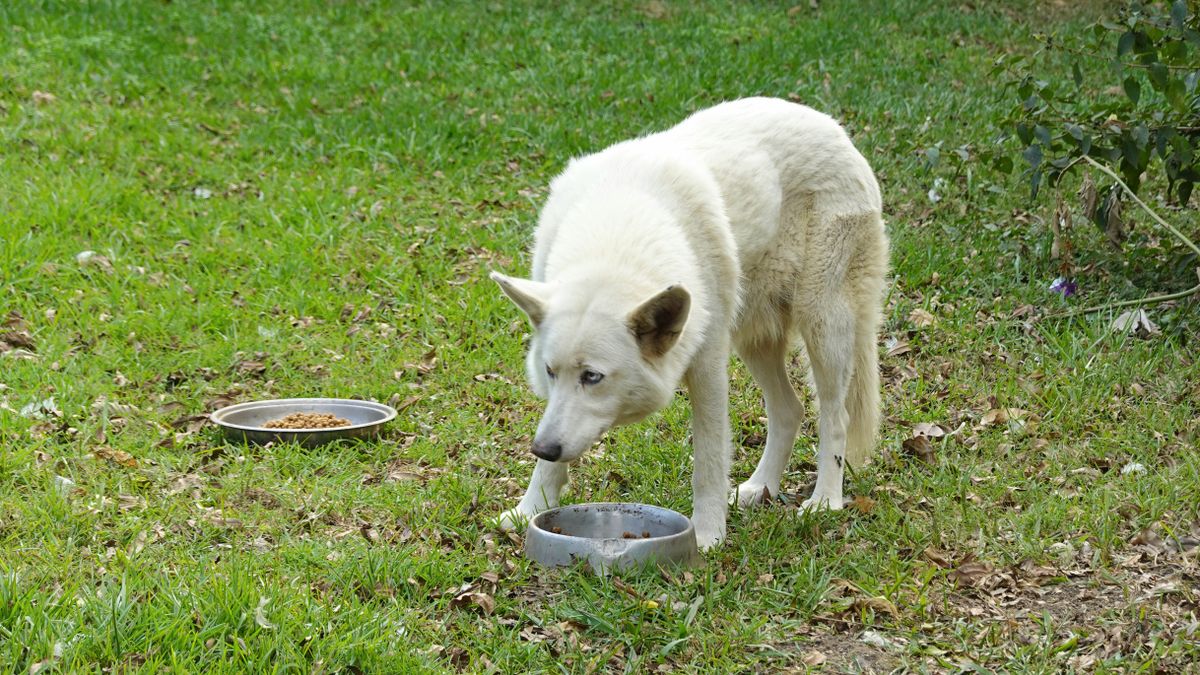
The testing process needs structure or it tells you almost nothing. We keep it simple.
Most bad food experiments fail because the setup is bad. Too many variables. Too fast a transition. No notes. Then the owner says, "nothing works," when really nothing got a fair test.
Digestive response can show up quickly, sometimes within a few days. Skin and coat changes usually take longer. That's normal. You're not looking for overnight perfection. You're looking for a clear direction.
If you want to compare proteins without committing to a full bag right away, our Trial Variety Pack is a practical tool. It lets you test chicken, beef, lamb, and salmon in small portions and watch how your dog responds before you scale up. For cautious transitions, that's often the sensible move.
The trick is patience. Not forever. Just long enough to learn something real.
Conclusion
The easiest protein for dogs to digest is not a one-size-fits-all answer. Chicken, lamb, salmon, and beef can all work. The best choice depends on your dog's sensitivities, the full recipe, and how the food is processed.
So don't get trapped in protein hype. Look at digestibility, ingredient simplicity, fat tolerance, and gut support. That's usually where the real progress comes from.
Choose one thoughtfully built formula. Transition slowly. Then let your dog's stool quality, comfort, skin, and energy tell you if you've found the right fit. Your dog doesn't need a trendy answer. Your dog needs