Changing food too fast can turn a better bowl into loose stool, gas, and a dog who suddenly won’t eat. Knowing how to switch dog food safely matters even more when you’re moving to richer, real-ingredient nutrition.
The calendar is less important than what you see in the yard and at the bowl. Keep portions accurate, keep treats boring (for now), and slow down the moment stool gets soft.
-
Start at 25% new food, not a full-bowl swap
-
Hold each ratio longer for sensitive stomachs
-
Watch appetite, energy, and poop—not just the feeding chart
Why a Careful Food Switch Matters for Gut Health
Changing food isn't just a taste test. You're changing what lands in your dog's gut every day, and that affects stool quality, comfort, appetite, and how well nutrients get used.
A dog's digestive system gets used to the food in front of it. Protein source, fat level, fiber type, even calorie density all shape the gut microbiome over time. Feed the same formula for months, and the system settles into a rhythm. Change it overnight and that rhythm can fall apart fast.
That's why abrupt swaps so often lead to problems like:
-
soft stool or diarrhea
-
gas and bloating
-
lower appetite
-
occasional vomiting
-
that vague "something's off" feeling you notice before anything dramatic happens
For health-conscious owners, the bigger point is hard to ignore: gut health isn't a side issue. A large share of immune function starts there. If the gut is irritated, the ripple effects don't stay in the poop bag. They can show up in energy, skin, coat, and how resilient your dog feels day to day.
We'd frame this simply: changing dog food gradually is usually the safest move for healthy dogs. It replaces guesswork with signal. You get to see what the new food is actually doing, instead of creating a mess and blaming the wrong thing.
And yes, the kind of food matters too. Moving from heavily processed kibble to a more nutrient-dense food with real meat and whole ingredients can be a very good change. It just needs a cleaner handoff.
The goal isn't speed. The goal is a calm gut.
When It Makes Sense to Change Your Dog's Food and When to Wait
Some food changes are planned. Some are forced. Those are very different situations, and people mix them up all the time.
Normal reasons to switch include:
-
moving from puppy food to adult food
-
wanting better ingredient quality
-
loose stool, gas, or inconsistent digestion
-
suspected food sensitivities
-
poor palatability or a picky eater
-
the current food being discontinued or hard to find
Most of those call for a slow transition. There's usually no prize for doing it quickly.
A faster change may be necessary if the current food has been recalled, your dog is having a clear adverse reaction, or your veterinarian tells you to change diets right away. In those cases, the risk of staying on the old food can outweigh the risk of a rougher transition. That's not a DIY judgment if symptoms are serious.
For everything else, give the gut some room. If your dog is already dealing with travel, boarding, moving, visitors, or a busted routine, wait if you can. Stress affects digestion more than people think. We've seen owners blame the new food when the real issue was that life got chaotic at the same time.
It's also worth looking past the one symptom right in front of you. If you're switching because of soft stool, don't just ask, "Will this stop the stool issue?" Ask whether the next food is a better fit for digestion, energy, skin, coat, and long-term daily health. One clean switch is better than three random ones.
Still choosing the new food? Start with our protein digestibility guide and pet food label explainer to compare the options.
Before You Start, Choose the Right New Food and Set Yourself Up for Success
A smooth transition starts before the first mixed bowl. Most problems happen because people begin unprepared, not because the new food is automatically wrong.
Keep enough of the current food for the full transition. Don't wait until there's one sad scoop left in the bag and then force a hard pivot. That's how avoidable stomach upset starts.
A few setup rules matter more than people expect:
-
Check feeding directions on both foods.
-
Look at calorie density, not just scoop size.
-
Keep treats, chews, toppers, and table scraps steady during the switch.
-
Feed on the same schedule you're already using.
That third one is a big deal. If you change the main food, add a new topper, and start handing out richer treats, you've ruined the test. Now you don't know what caused what.
Choice of formula matters too. Pick for your dog's age, activity, digestive history, and likely sensitivities. If your dog has gut issues, simpler is usually better. Single-protein, limited-ingredient options make it easier to judge tolerance without a pile of moving parts.
For owners specifically looking for digestion support, our Dog Food for Gut Health collection is the obvious next place to look. The recipes are cold-pressed and built around easier digestion, which changes the conversation from "How do we survive the switch?" to "What will actually support this dog once the switch is done?"
If you're not sure which protein your dog will tolerate or prefer, start smaller. Our Trial Variety Pack lets you test acceptance more cautiously before you commit to a full bag. That's often the smarter move, especially with sensitive dogs.
How Long Does It Take Dogs to Adjust to New Food?
For most healthy adult dogs, about 7 days is a reasonable timeline. Sensitive dogs often do better with 10 to 14 days. That's the short answer to how long does it take dogs to adjust to new food.
The longer answer depends on a few things:
-
how sensitive your dog's digestion is
-
age
-
how long they've eaten the same formula
-
how different the new food is
-
whether they already have loose stool, vomiting, or a history of food issues
Big changes usually need more time. Switching protein sources can do it. Moving from standard kibble to a denser, less processed food can do it too. Same if fat levels shift, fiber sources change, or you're transitioning a puppy, senior, or dog with a touchy stomach.
Needing more time doesn't mean the new food is bad. Usually it means the gut needs a slower pace. That's an important distinction. Owners often panic halfway through and abandon a good formula because stool got softer on day four. Sometimes the answer isn't "wrong food." Sometimes it's "slow down."
A dog-led approach works better than a calendar-led one. If stool is softening or appetite is dipping, hold that ratio for another day or two. Don't advance just because the schedule says so.
Some mild change in the middle of the transition can be normal. Persistent or severe symptoms are not. That's where judgment matters.
A Simple Dog Food Change Schedule Most Dogs Can Follow
If you're wondering how long to switch dog food, start with a plain schedule and adjust only if your dog tells you to. Most healthy adult dogs do fine with this 7-day dog food change schedule:
This works because it gives the digestive system time to adapt in steps instead of taking one hard hit. Gut bacteria don't need drama. They need repetition.
For dogs with more sensitive digestion, stretch that same idea across 10 to 14 days. Start closer to 80% old and 20% new, then hold each stage longer before increasing the new food. No need to get fancy. Just slower.
A few practical rules make this schedule work better in real life:
-
If stools get softer, hold the current ratio for an extra day or two.
-
If upset becomes more than mild, step back to the previous ratio.
-
If your dog flatly refuses meals or symptoms climb, stop assuming it's just transition speed and talk to your vet.
For cautious switchers, smaller packs can help. Our Chicken Recipe Trial Pack, Lamb Recipe Trial Pack, and Salmon Recipe Trial Pack give you a way to introduce small amounts first instead of opening a full bag and hoping for the best. That's especially useful if you're testing a new protein.
Measure by Feeding Amount, Not by Guesswork
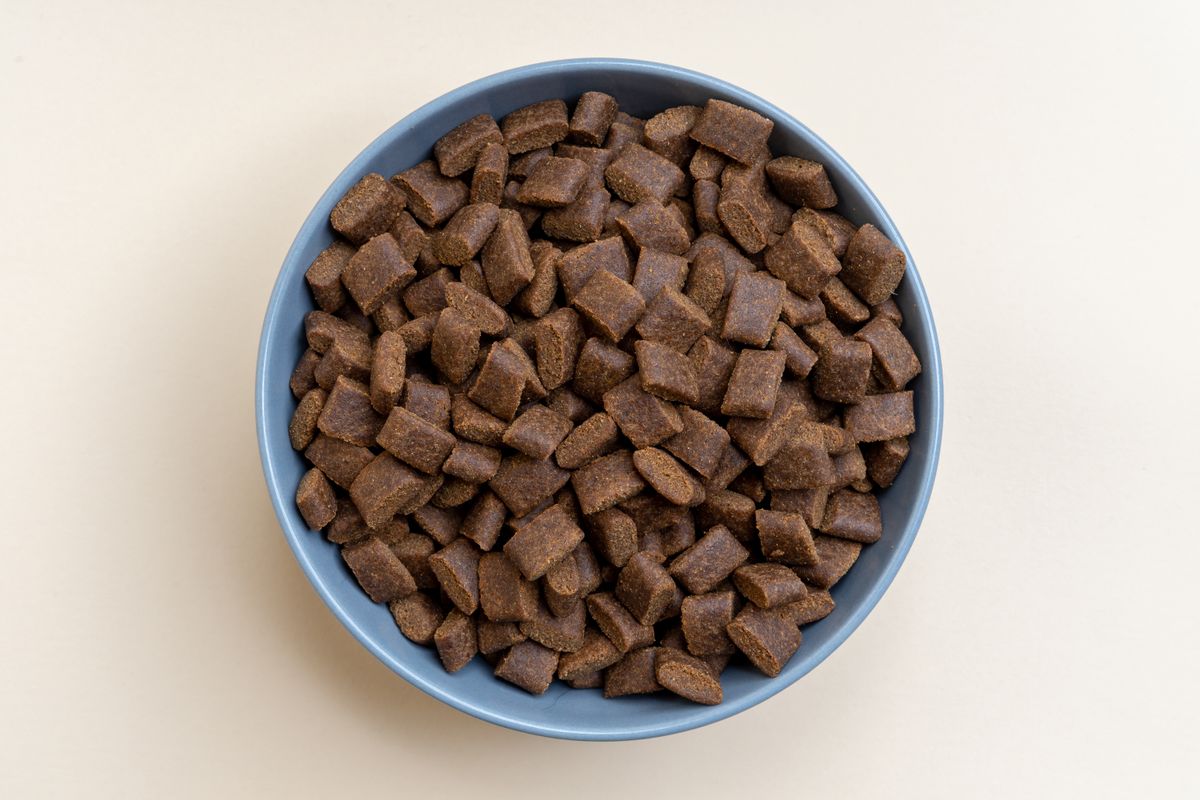
One of the most missed parts of how to switch dog food safely is portion accuracy. People focus on percentages and forget that equal scoops don't always mean equal calories.
At the 50-50 stage, you are not necessarily feeding the same volume of each food. You're feeding half of each food's proper daily amount.
Here's a clean example. If the old food's full daily amount is 200 grams and the new food's full daily amount is 160 grams, the 50-50 phase should look like this:
-
100 grams of old food
-
80 grams of new food
Not 100 and 100. That difference matters.
Overfeeding during a transition is one of the easiest ways to create digestive upset and then blame the new food. This happens a lot with more concentrated foods because the pieces may look smaller or denser, so owners add extra without meaning to.
Keep meals at the same times and in the same routine. Then write down three things once a day:
-
how much you fed
-
stool quality
-
appetite or energy changes
It doesn't need to be elaborate. A note on your phone is enough. You want pattern recognition, not perfect recordkeeping.
What Is Normal During a Transition and What Is a Red Flag?
Some change during a food transition is expected. The hard part is knowing when "normal adjustment" turns into "we need to stop and rethink this."
Signs that can be normal while changing dog food gradually include:
-
mildly softer but still formed stool
-
a little more gas than usual
-
small changes in stool volume or frequency
-
brief hesitation at the bowl because the smell or texture is new
That's manageable. Watch it, don't panic, and don't accelerate the schedule.
Red flags are different. Pay attention if you see:
-
persistent loose stool
-
watery diarrhea
-
repeated vomiting
-
a clear drop in appetite
-
visible discomfort, lethargy, or bloating
-
bloody stool
As a practical threshold, contact your veterinarian if your dog refuses food for more than a day to two days. Seek care sooner for repeated vomiting, bloody stool, watery diarrhea, or diarrhea that lasts beyond about 48 hours.
One more clue that gets overlooked: itchiness or ear irritation. If those show up during the switch, the issue may be ingredient tolerance rather than transition pace alone.
And here's the part many people miss: not every loose stool means the new food is a bad fit. Sometimes the transition was too fast. Sometimes calories jumped. Sometimes treats or toppers muddied the picture. Don't throw out a good plan because the first read was noisy.
How to Adjust the Plan for Sensitive Stomachs, Puppies, Seniors, and Picky Eaters
Not every dog should use the standard schedule. The safest plan is the one that fits the dog in front of you, not the one that looks neat on paper.
For sensitive stomachs, slow it down to 10 to 14 days. Keep meals simple. Don't add new treats, supplements, or chews at the same time. Novelty is overrated when the gut is already touchy. Ingredient simplicity and digestibility win here.
Puppies can be more reactive than people expect, especially during bigger food changes. Their digestion is still finding its footing. Go slower than you think you need to if you're making a major switch.
Senior dogs often do better with routine and gentler digestion support. As dogs age, consistency matters more. So does how easy the food is to break down and use.
Picky eaters are their own category. Acceptance isn't only about flavor. Texture, aroma, and bowl familiarity all matter. Introduce the new food gradually enough that mealtime still feels recognizable. If the bowl looks and smells completely different overnight, some dogs will opt out on principle.
If you suspect chicken sensitivity or another ingredient issue, don't rotate randomly across proteins. Pick a clearly different single-protein recipe and test that on purpose. For owners avoiding poultry, our Chicken Free Dog Food collection gives you a cleaner place to start.
Timing can be deceptive when food reactions are involved. In a 2026 double-blinded study of 11 dogs with previously confirmed adverse food reactions, 35 of 71 oral protein challenges produced clinical signs. Signs appeared an average of 4.1 days after exposure, with a range of 1 to 7 days; the mean triggering dose was 21 grams of food protein, ranging from 1 to 30 grams. That is a reason to keep the rest of the diet steady and log symptoms for several days, rather than judging a new protein from the first meal alone. This was a small study of dogs already known to react to food, so a delayed symptom does not by itself diagnose an allergy.
If your dog has chronic GI disease, repeated vomiting, or a more serious medical issue, this stops being a home experiment. Coordinate the plan with your veterinarian.
For background on food formats, explore our cold-pressed dog food overview. If stool quality is driving your decision, see our comparison of foods for firmer stools.
Why the Type of Food You Switch To Can Make a Big Difference
A safe transition isn't only about going slowly. It also depends on what you're switching into.
Once the transition is complete, your dog still has to live on that food every day. So the formula should make the gut's job easier, not harder. For this audience, that usually means real meat first, recognizable ingredients, useful fiber sources, fewer fillers, and a recipe that lines up with digestive goals.
We think cold-pressed food deserves attention here because it gives owners a less processed dry format without defaulting to standard high-heat kibble. Our recipes are made at 3x lower temperatures than traditional kibble, which helps preserve nutrients for digestion and daily use. That's not marketing fluff. Processing changes the food.
If you're choosing by use case, keep it practical:
-
Our All-Natural Lamb Recipe makes sense for owners looking for a lamb-based option with easier digestion in mind, especially for dogs with sensitive stomach concerns.
-
Our All-Natural Salmon Recipe fits dogs that need digestive support but also have skin and coat goals in the mix.
The point isn't that every dog needs the same recipe. It's that formulation and processing matter during the switch and after it. A slow transition into a poor fit is still a poor fit.
Common Mistakes That Make a Food Transition Harder Than It Needs to Be
Most rough transitions aren't bad luck. They're operator error. Usually fixable, sometimes preventable.
Watch for these mistakes:
-
swapping the whole bowl overnight when nothing urgent is happening
-
running out of the old food and forcing a fast change
-
pushing ahead after stool already got loose
-
changing treats, toppers, supplements, and meal size at the same time
-
measuring by scoops alone
-
overfeeding because the new food looks smaller or more concentrated
-
starting during travel, boarding, moving, or routine disruption
-
deciding the new food is wrong before you've slowed the pace
-
rotating proteins too fast before you know what your dog actually handles well
-
waiting too long to call the vet when symptoms are no longer mild
One sharp rule helps here: don't create multiple variables and then expect a clear answer. Food transitions fail in the fog.
Conclusion
Learning how to switch dog food safely isn't about doing everything perfectly. It's about pacing the change, measuring properly, and watching your dog closely enough to adjust before small issues become bigger ones.
For most dogs, a gradual 7-day transition works well. Sensitive dogs often need 10 to 14 days. Measure portions carefully, not by eye. Watch stool, appetite, and energy. Slow down when the gut asks for it.
If your dog needs a gentler transition and more digestive support once the switch is done, start with a small trial or choose a gut-focused cold-pressed recipe that fits your dog's protein needs and daily routine. A better bowl can do a lot, but only if you change it with some patience.